Why Film
I’ve been a professional photographer for over 15 years. During the first six years of my career, I photographed everything — both personal and professional, digitally. It was efficient, reliable, and industry standard.
Then we experienced a major life shift: we were expecting our first child.
I remember wondering how I would document her life without feeling overwhelmed by thousands of digital images from a single afternoon at the park. I also found myself thinking about editing. After six years in the industry, I had seen trends come and go. I didn’t want to look back at a photograph years later, love the moment it captured, but dislike the way it had been edited to match a passing style.
As I thought about what I truly wanted for my own family’s memories, I kept coming back to film.
I had always been drawn to the look and feel of film photography, the natural color, the softness of the light, and the subtle grain that feels both timeless and beautifully imperfect. The only hesitation was confidence. Shooting film requires intention and trust in your craft.
So I committed to learning it fully.
What began as a personal decision to document my own children on film slowly became a deeper shift in my professional work. Over time, I moved from shooting film exclusively for personal projects to incorporating it into client sessions, and eventually making it my primary medium.
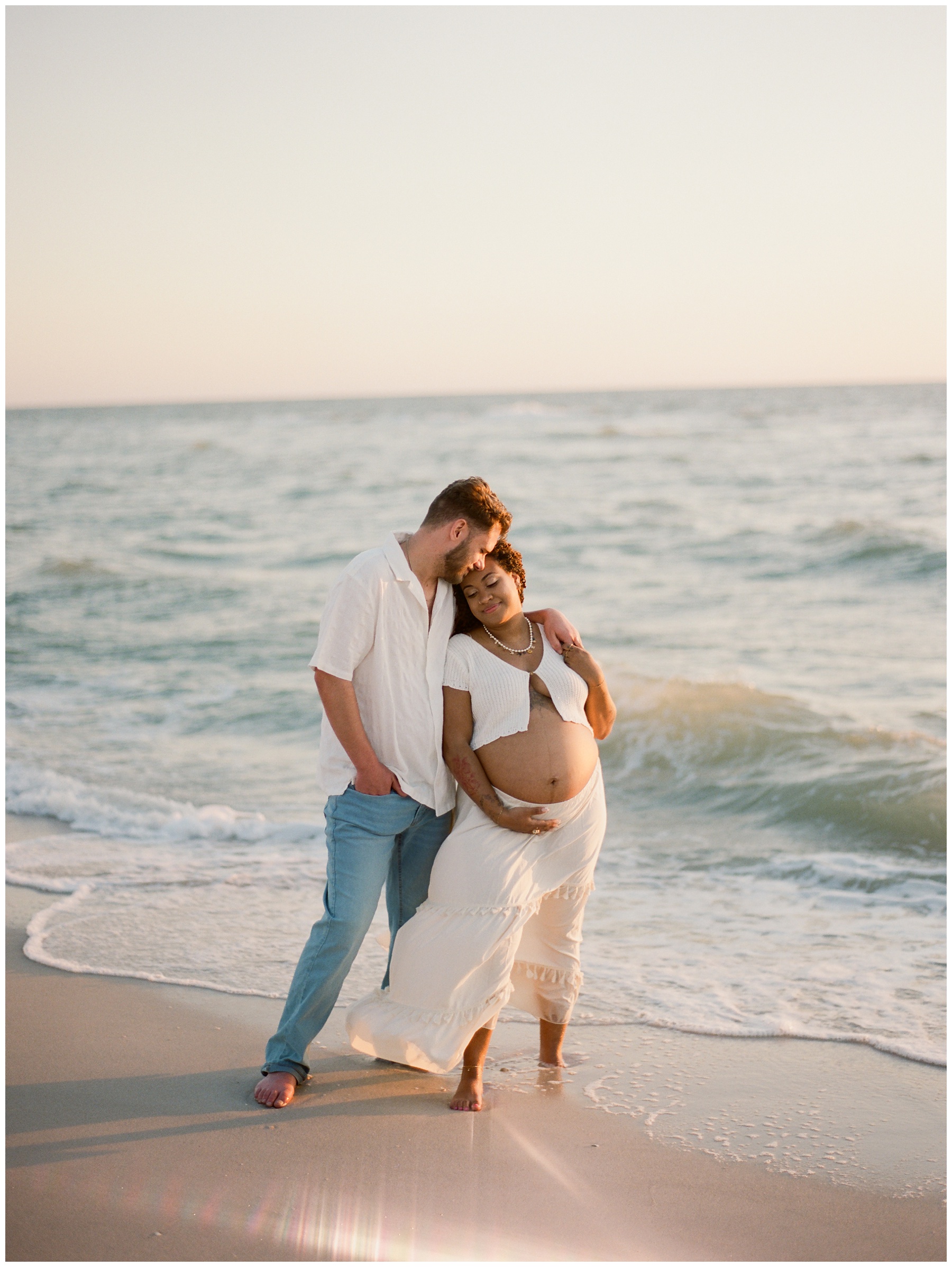
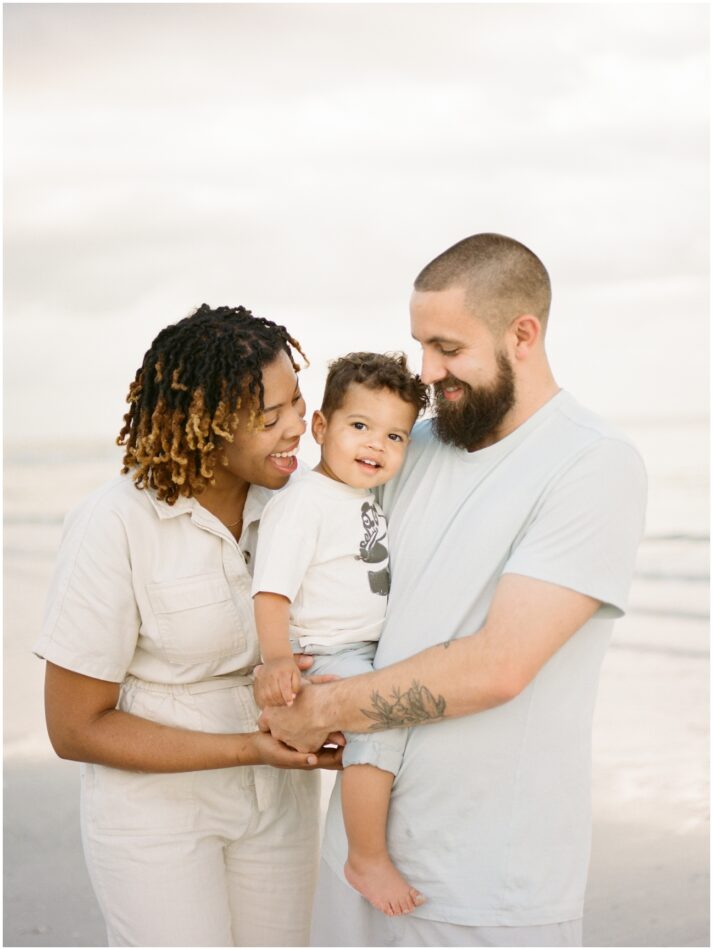
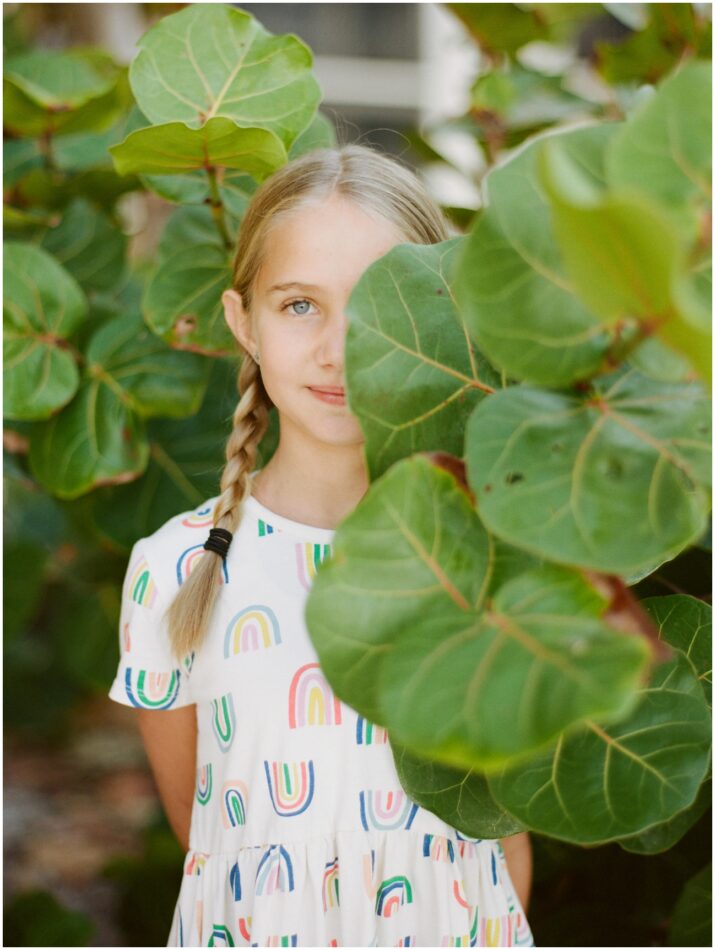
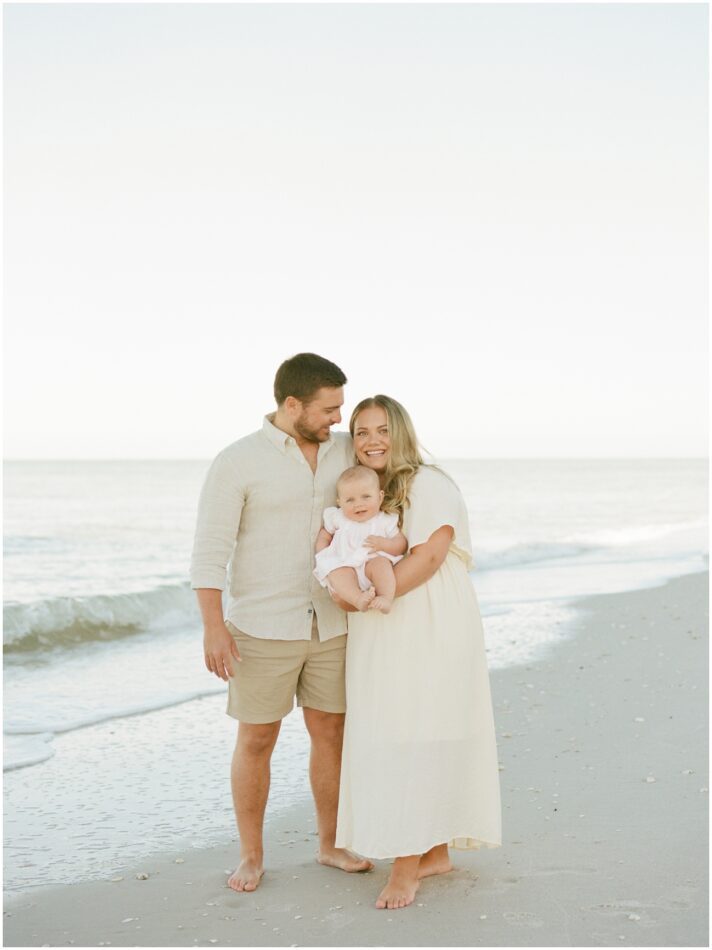
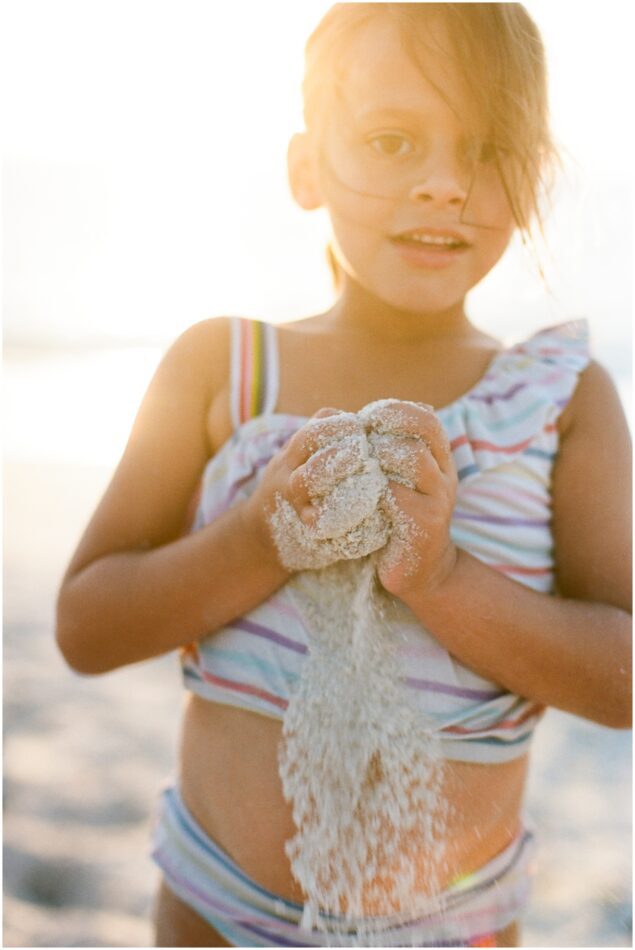
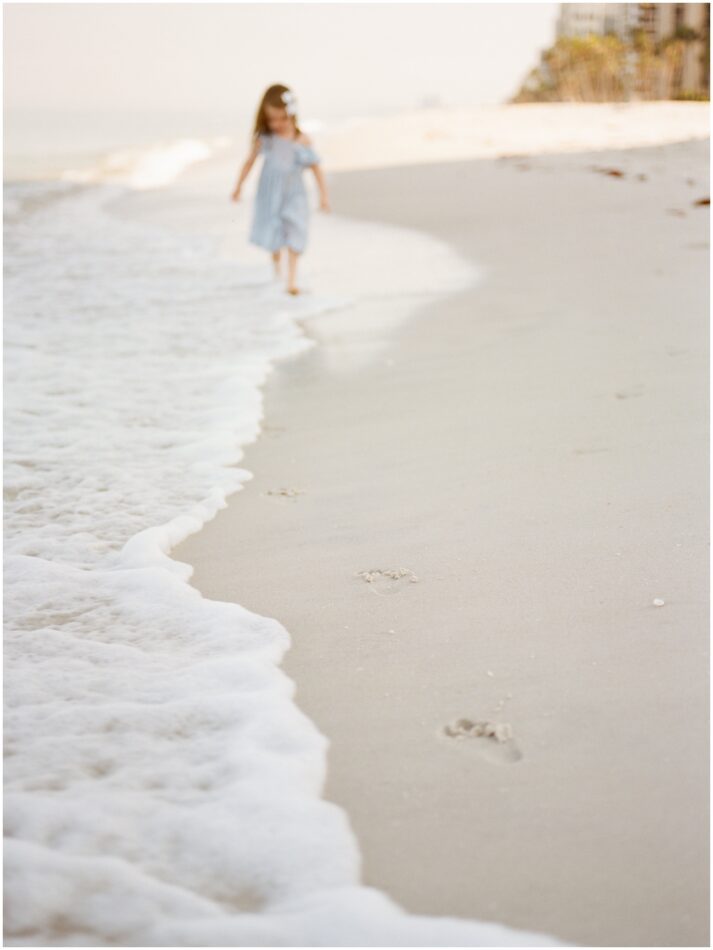
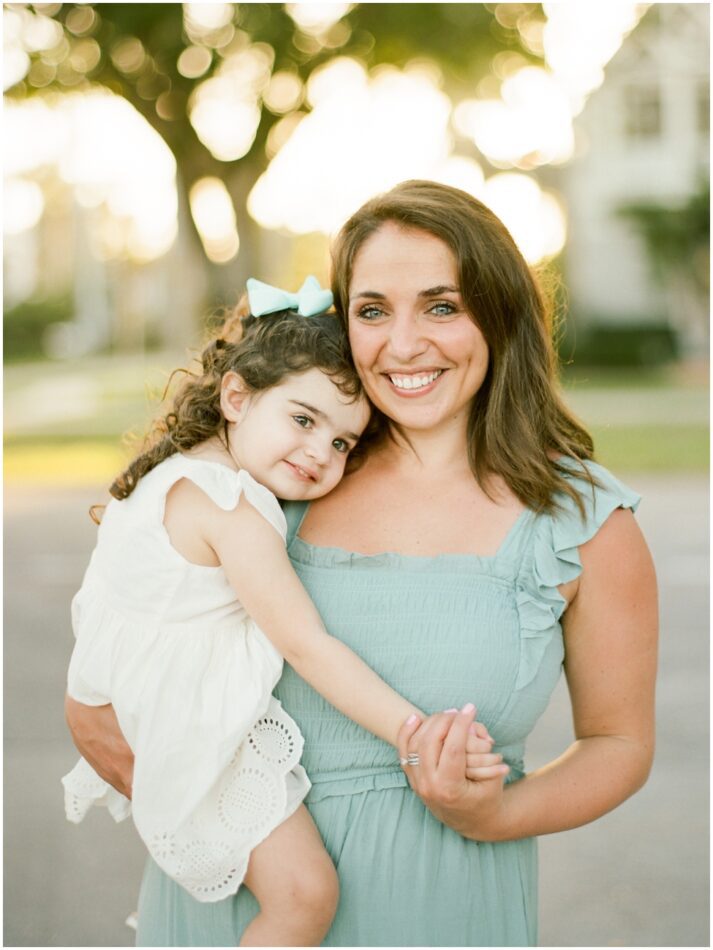
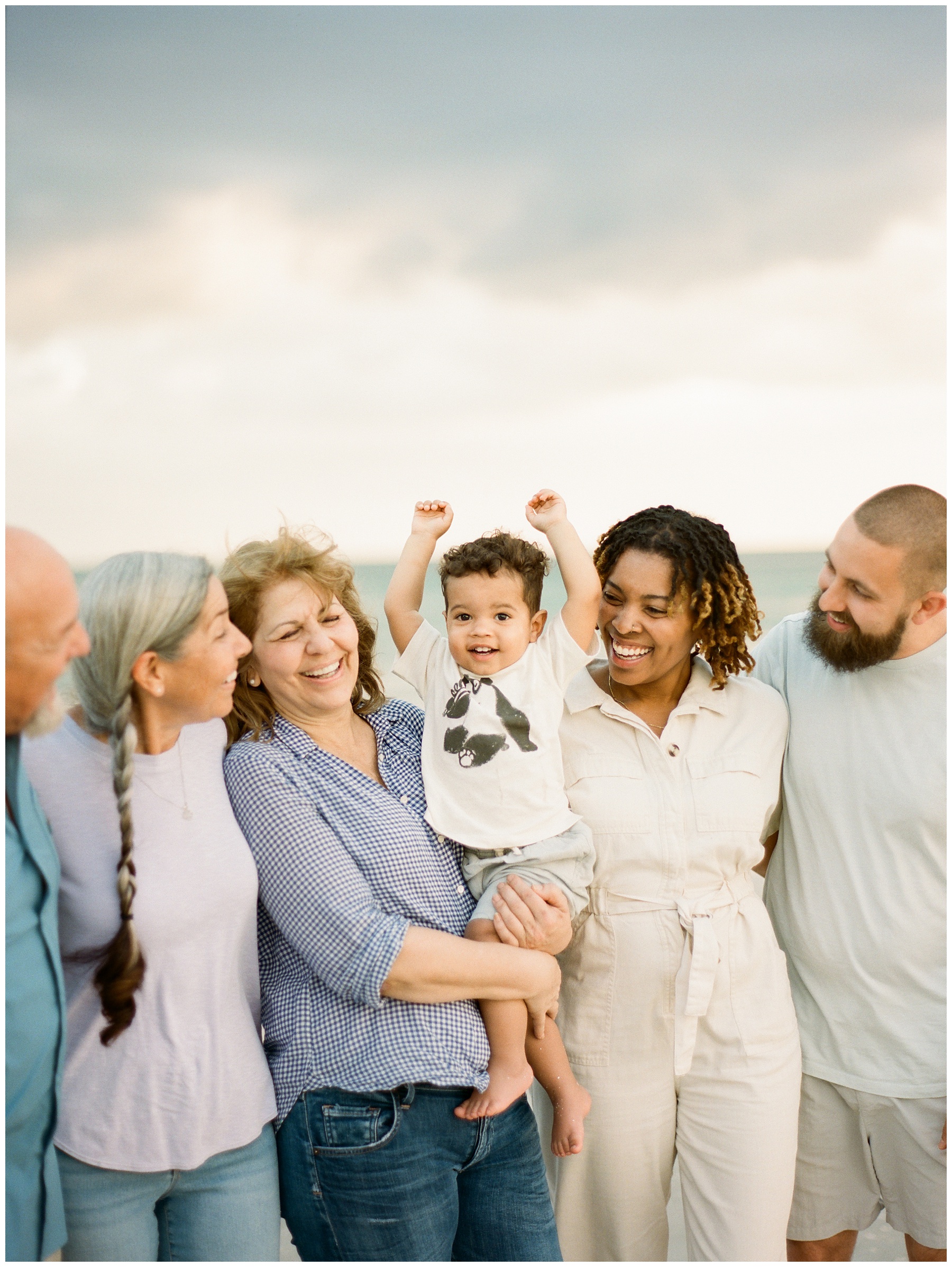
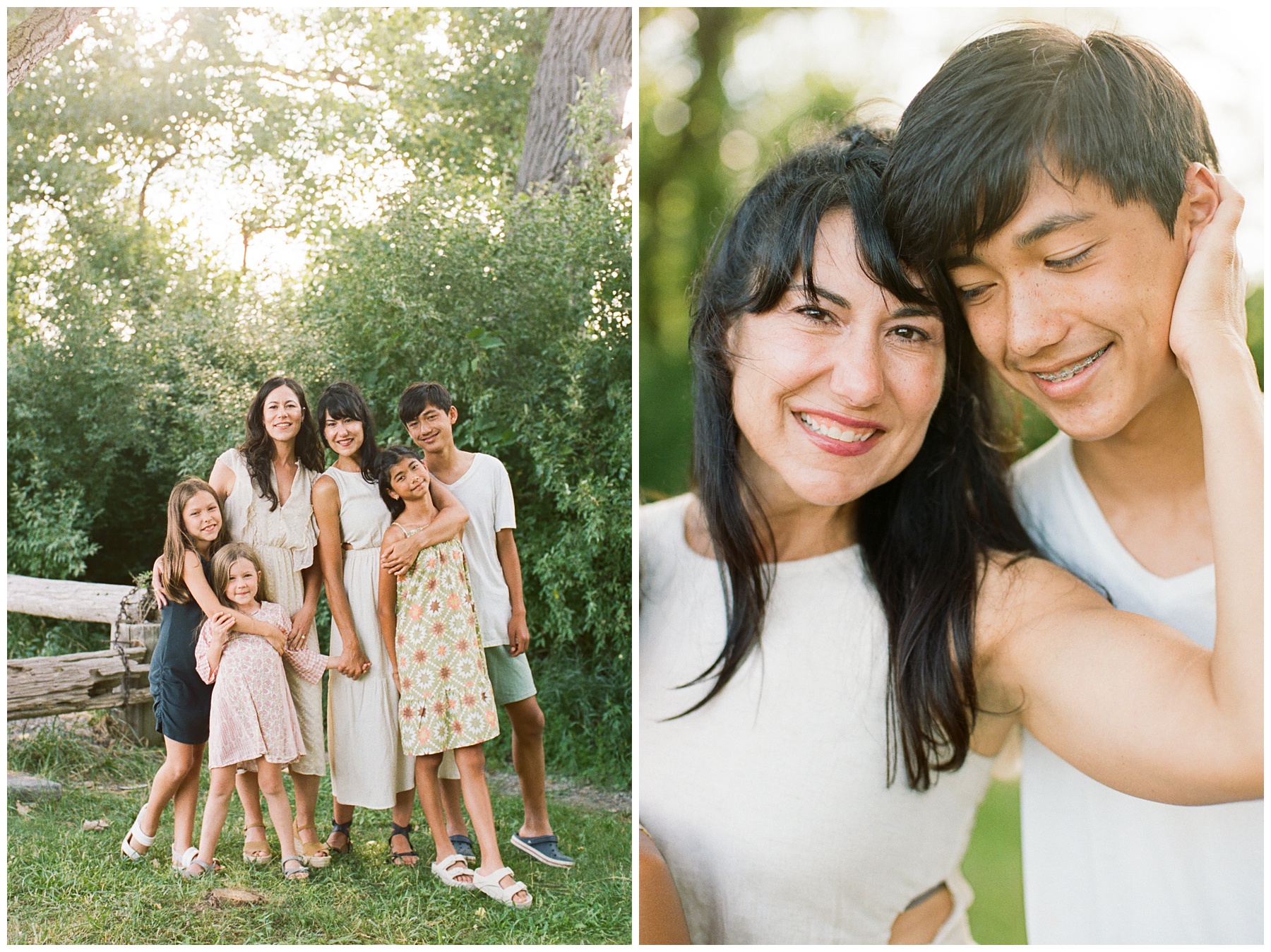
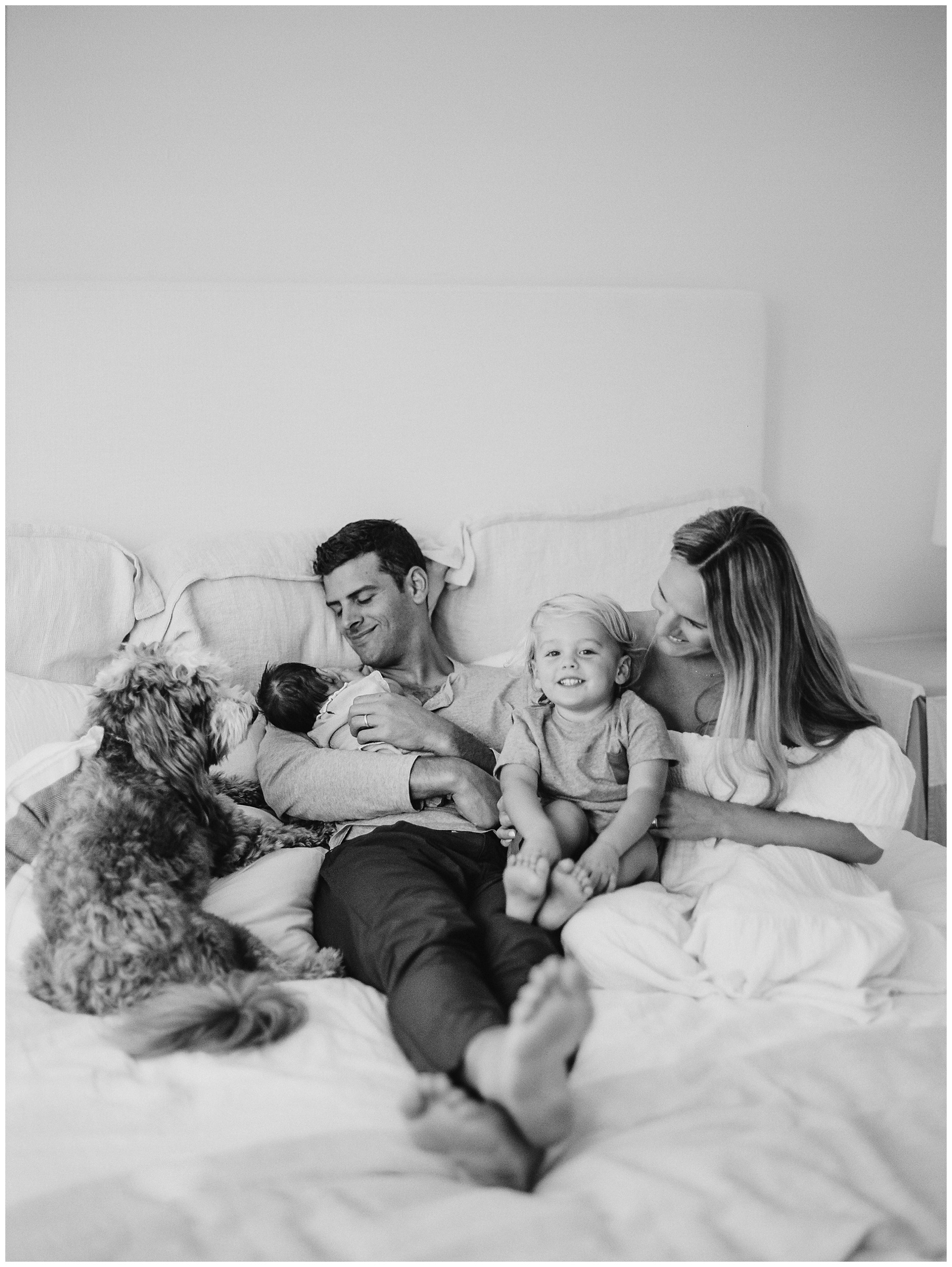
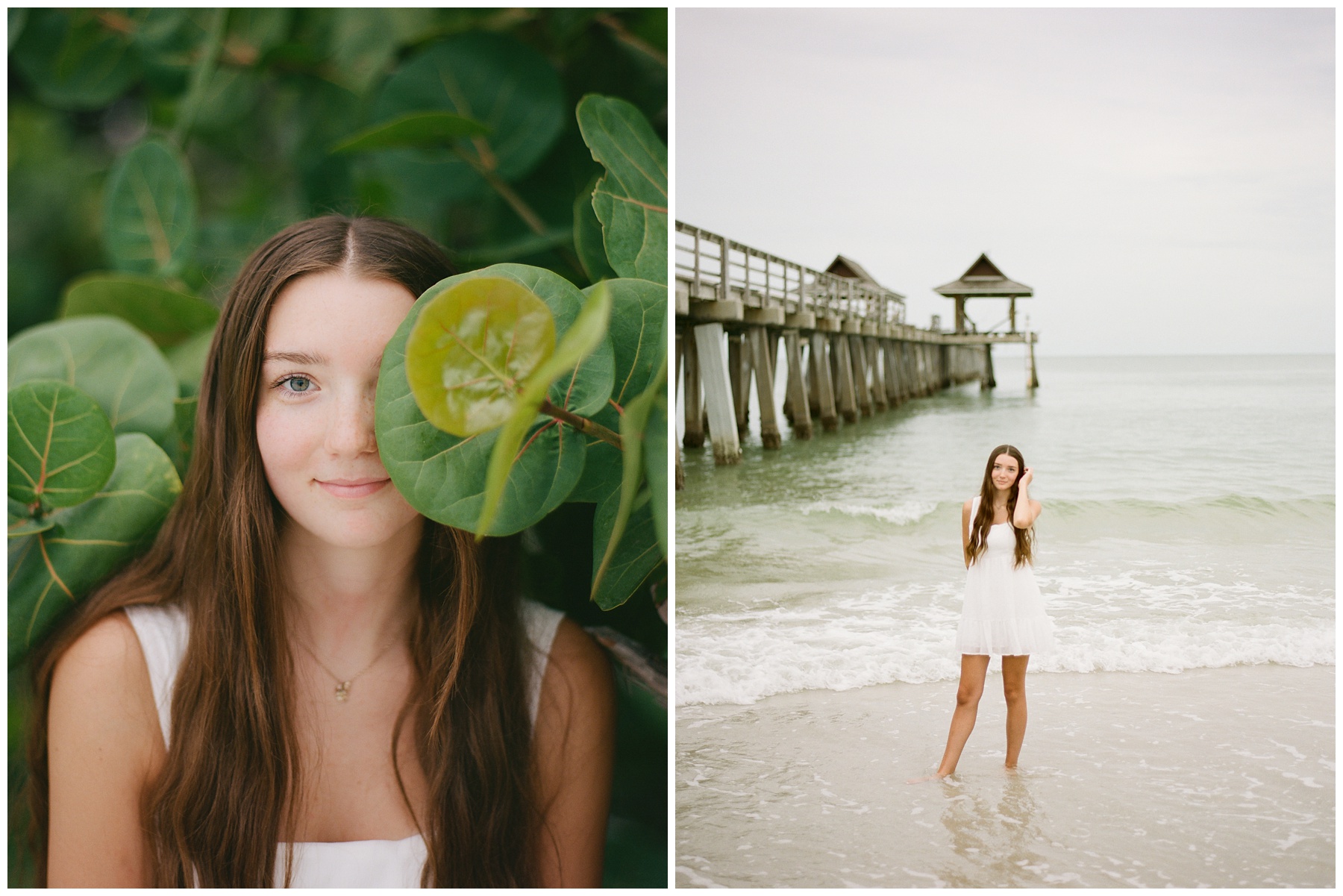
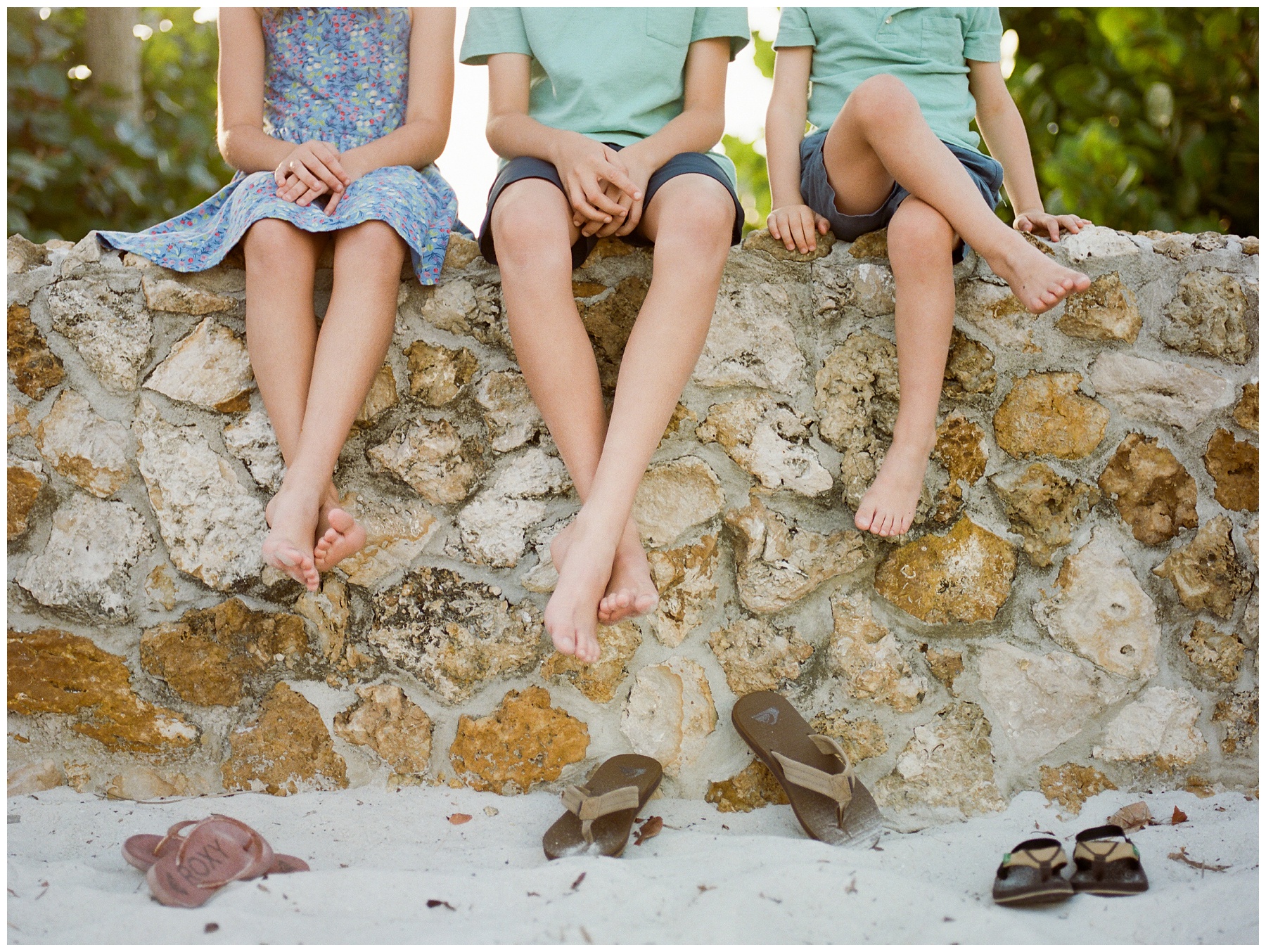
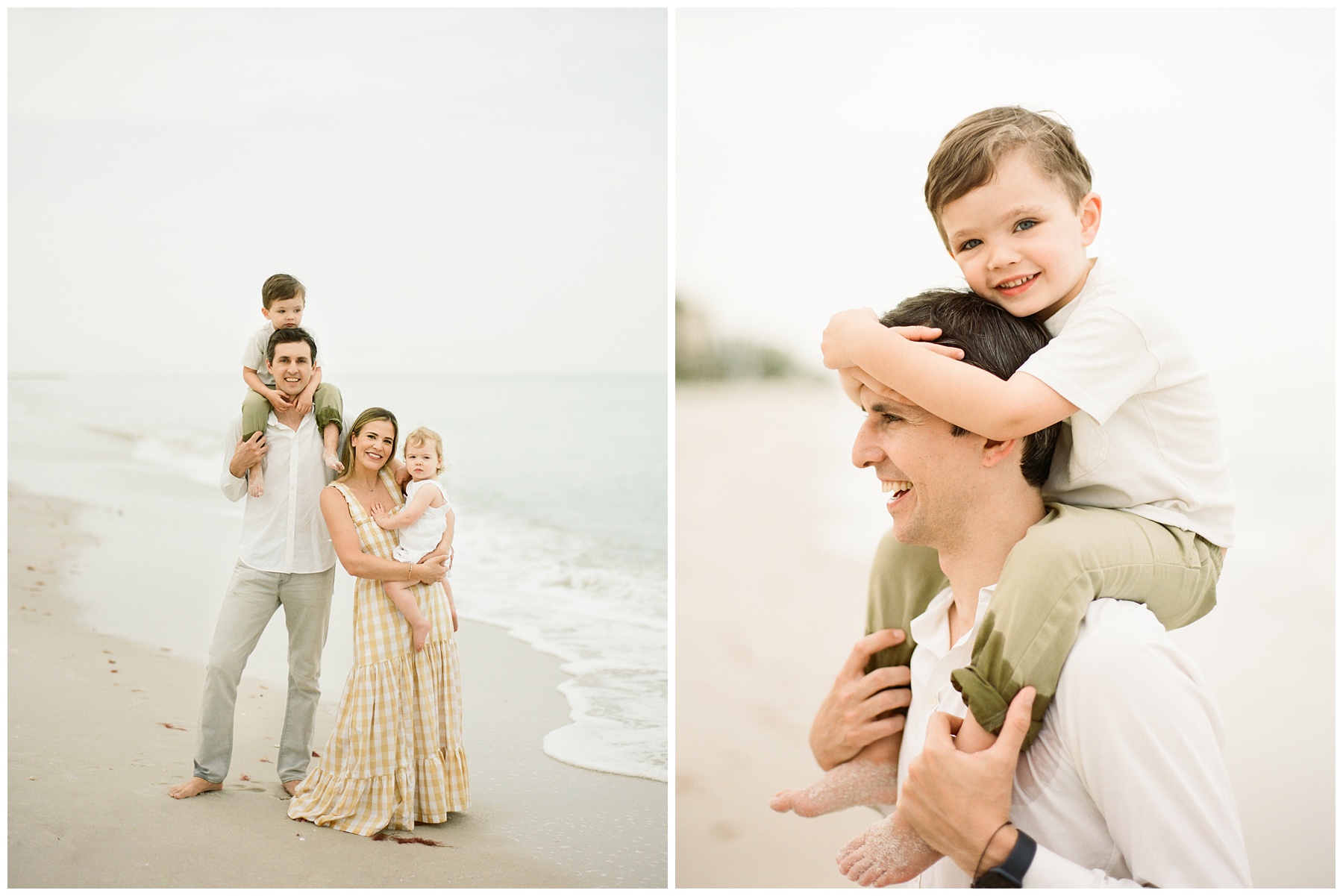
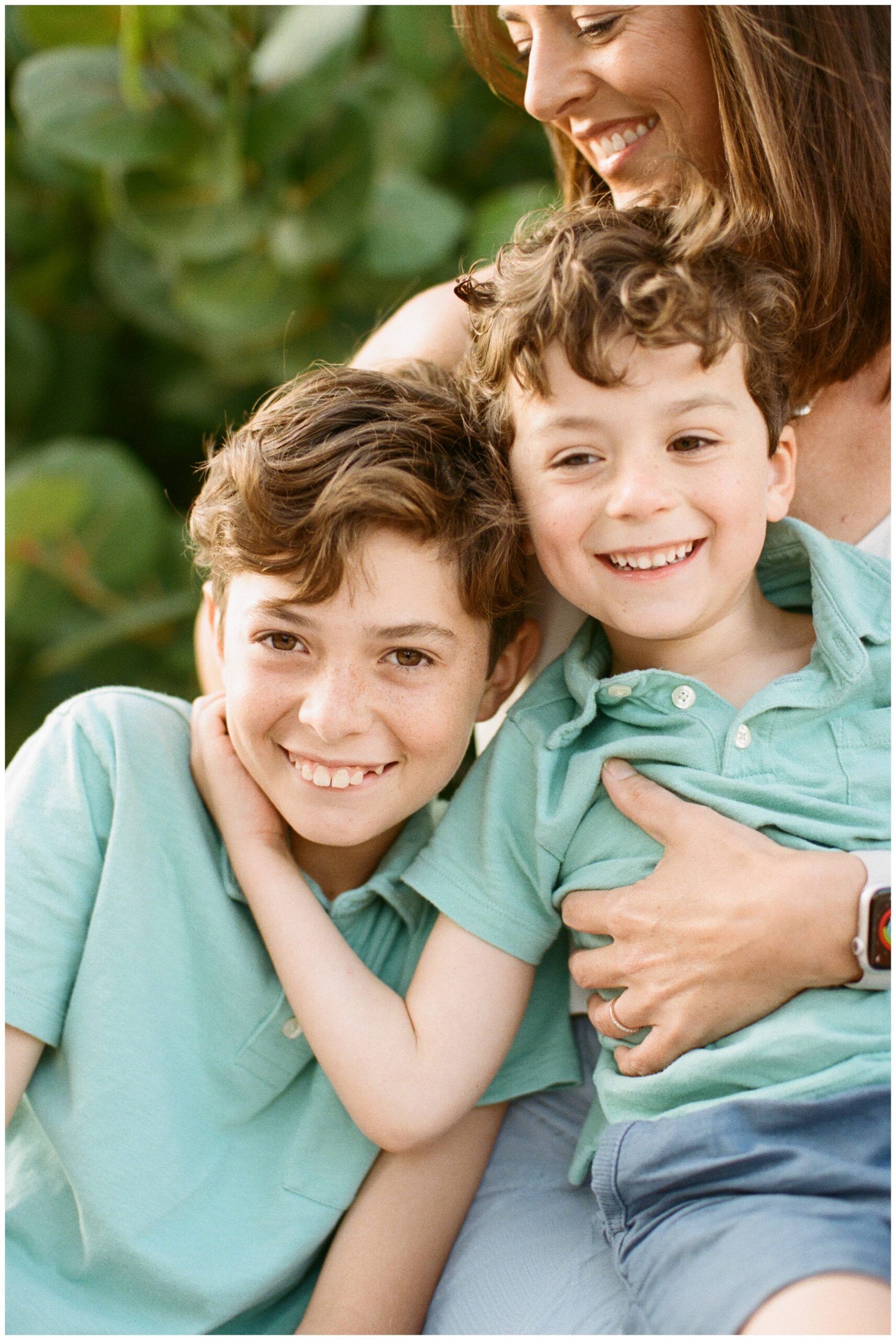
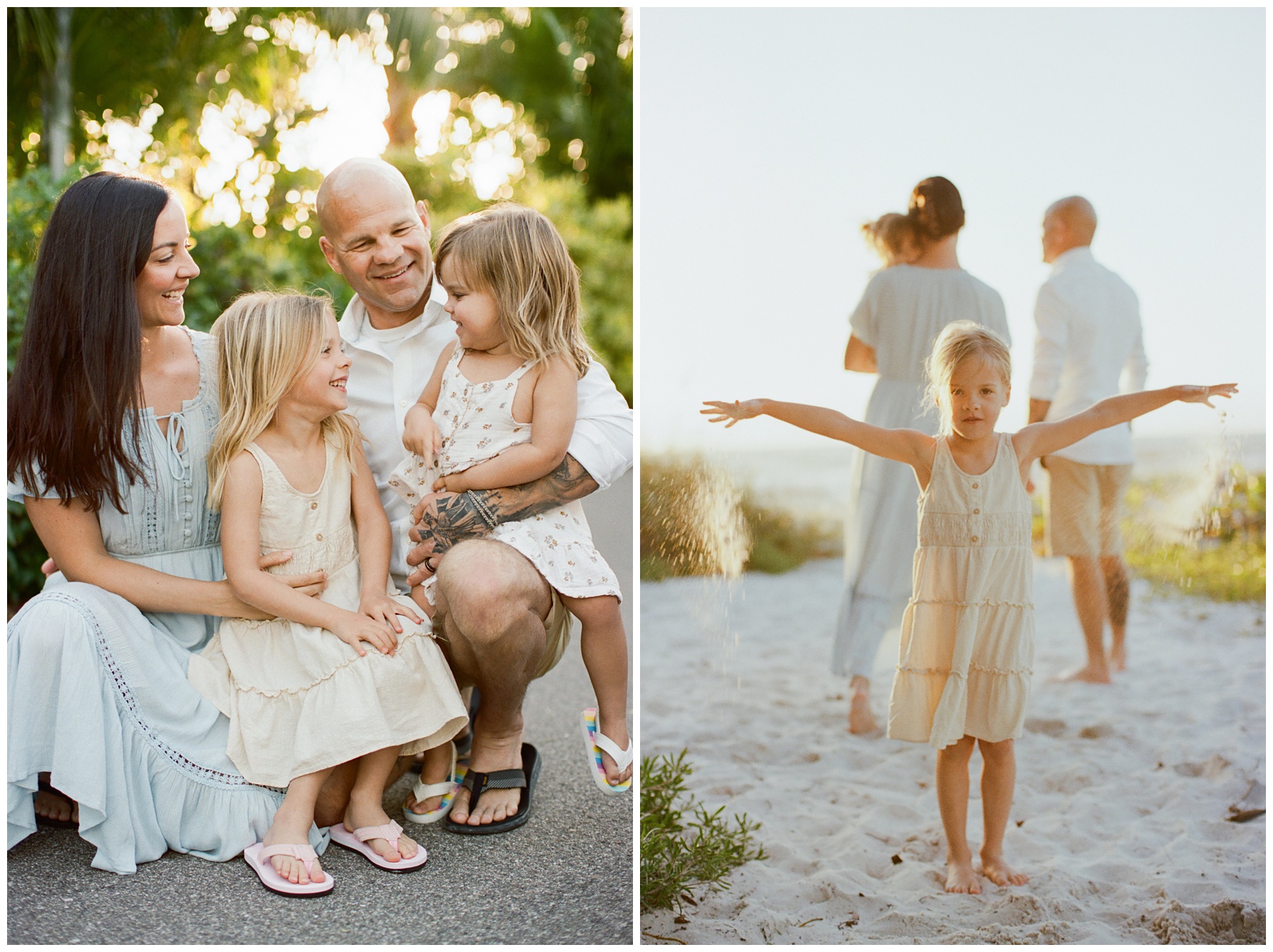
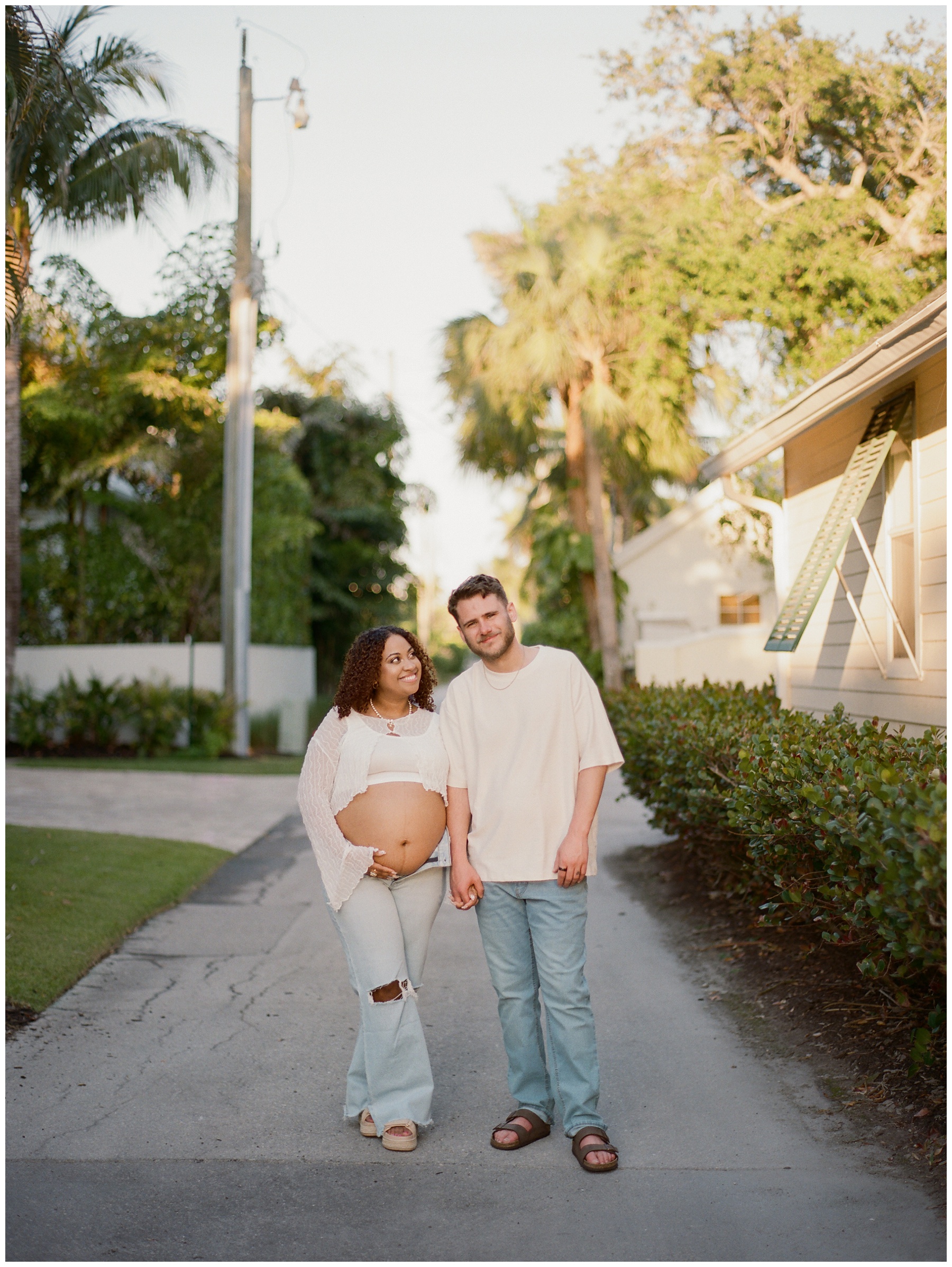
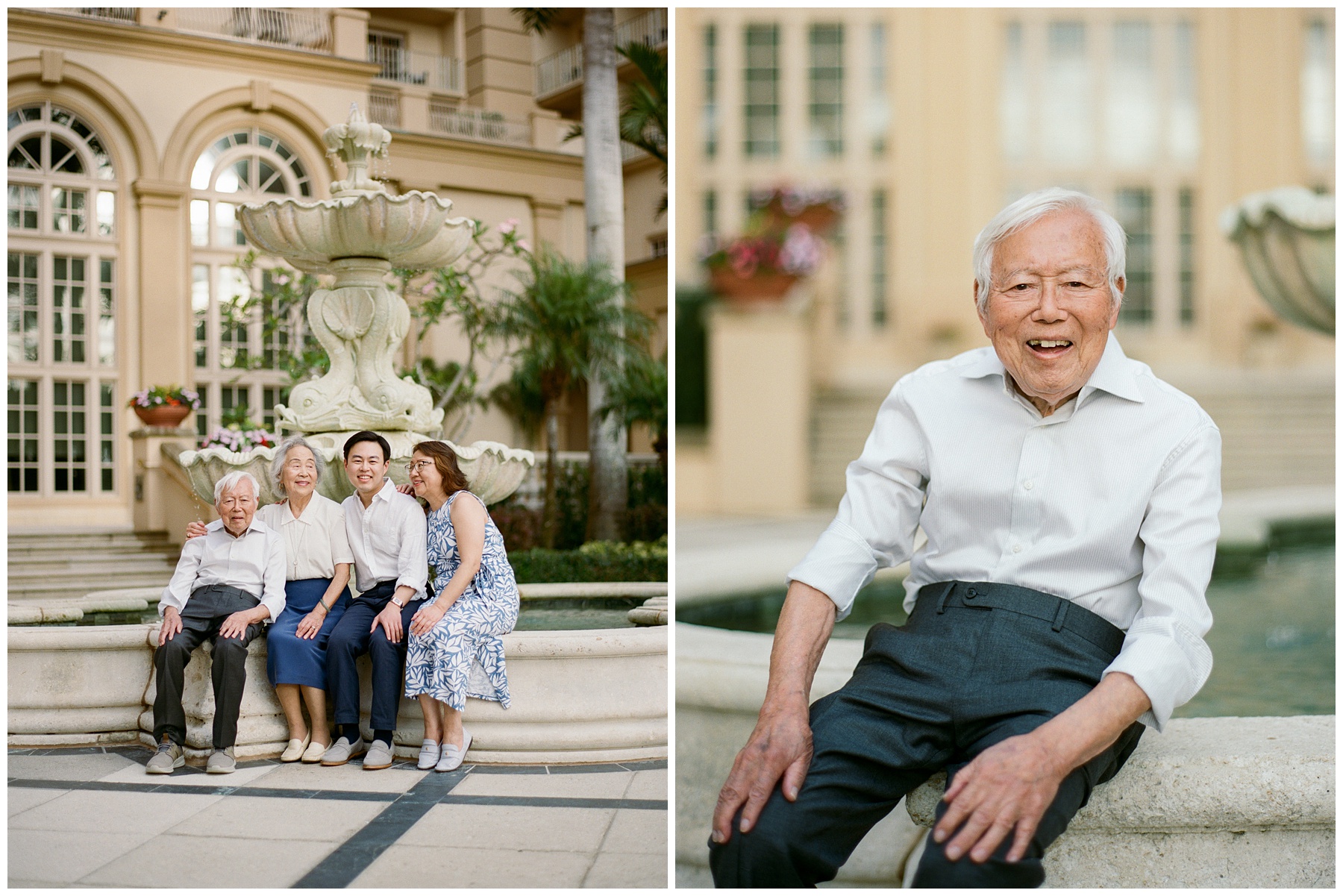
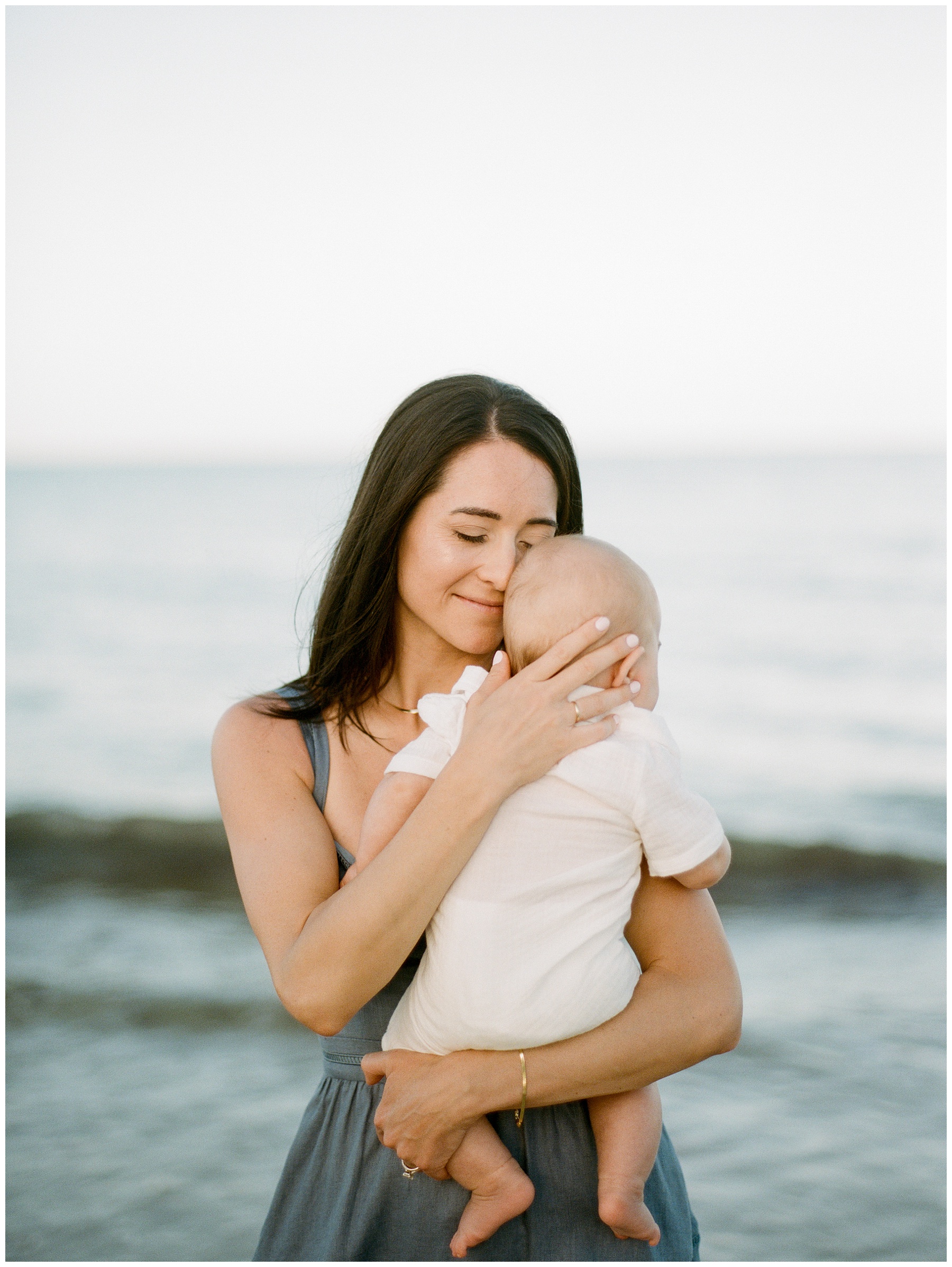
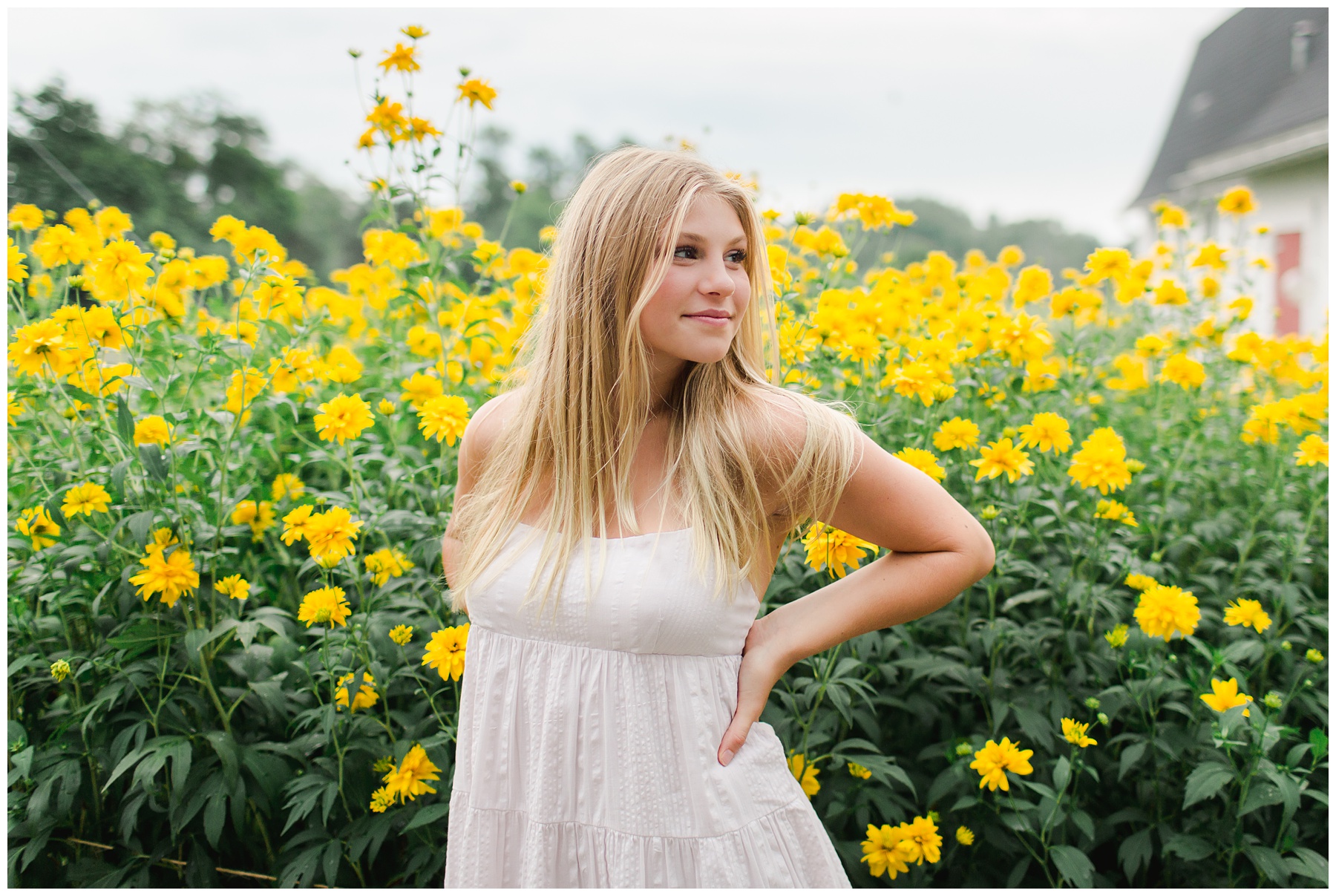
Today, every session I photograph, whether in Naples or elsewhere, includes film. Nearly every image you see on this website, including the ones in this post, was captured on film.
What Film Photography Is (In Simple Terms)
Film photography is the process of capturing images on physical film rather than a digital sensor. It was the primary way photographs were made for decades before digital cameras became standard.
Unlike digital photography, you don’t get to review the image immediately after pressing the shutter. In most cases, you won’t see your photographs for several days, sometimes even a week, until the film is developed and scanned.
Because of that, shooting film requires a slower, more intentional approach.
You need to understand your exposure before you take the photo. You consider your composition carefully. You anticipate the moment instead of reacting to it. There’s a level of trust in your skill and in the process itself.
Each roll of film contains a limited number of frames, sometimes 36 exposures, and sometimes as few as 10–16 on medium format. Every single image has to be developed and scanned individually. That naturally encourages thoughtful, deliberate photography rather than rapid-fire shooting.
Film doesn’t allow for endless overshooting. It asks you to slow down, and that intention changes everything.
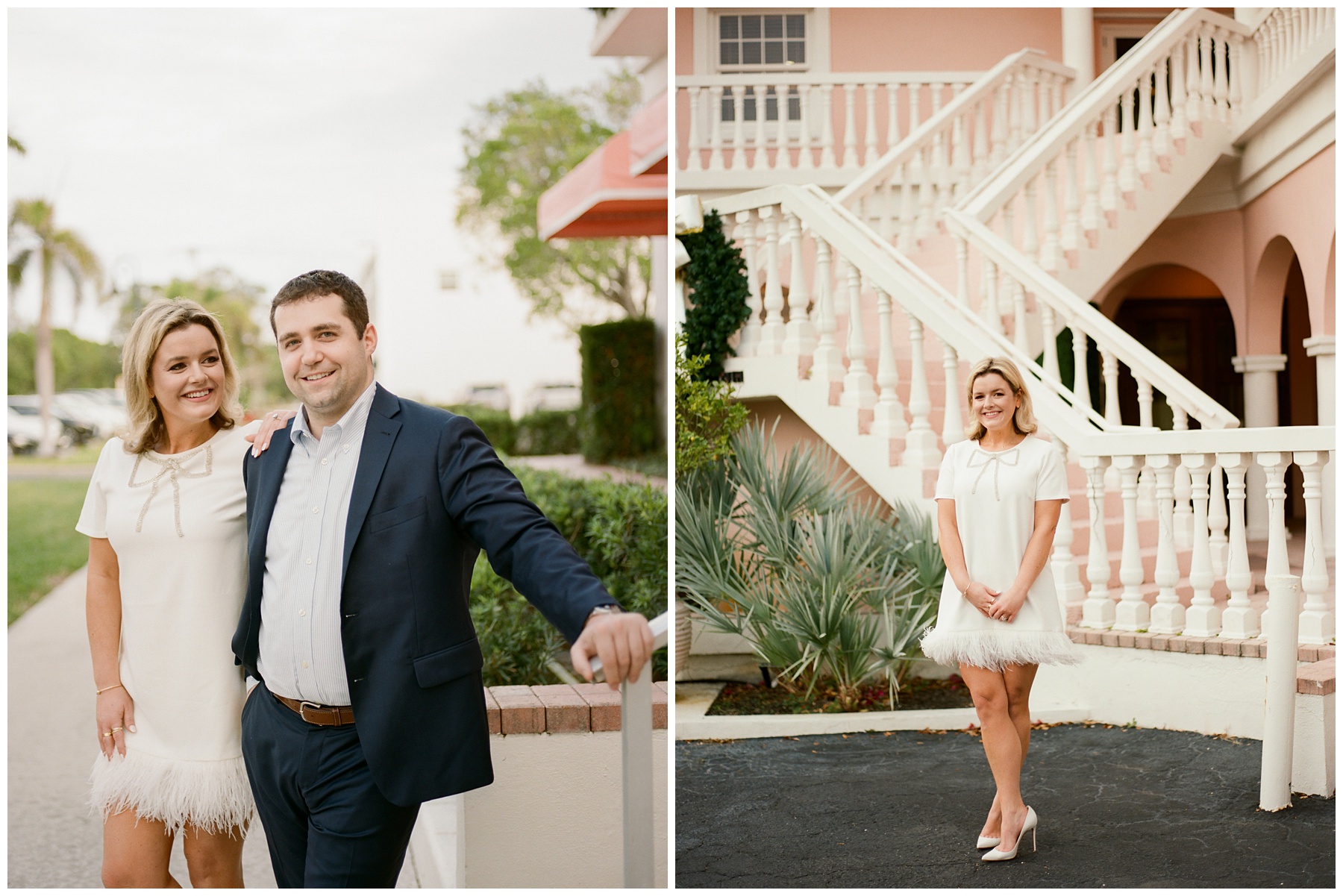
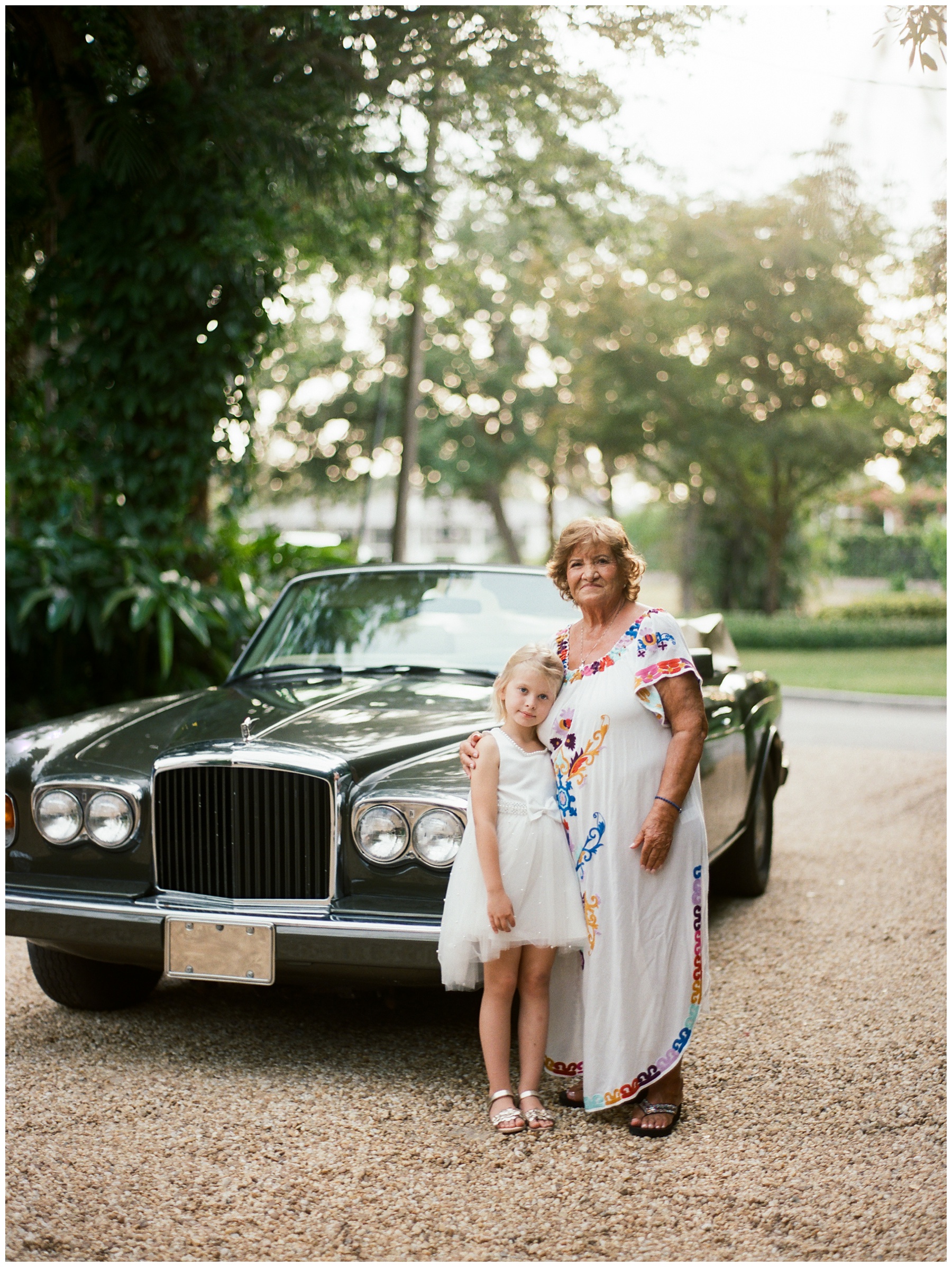
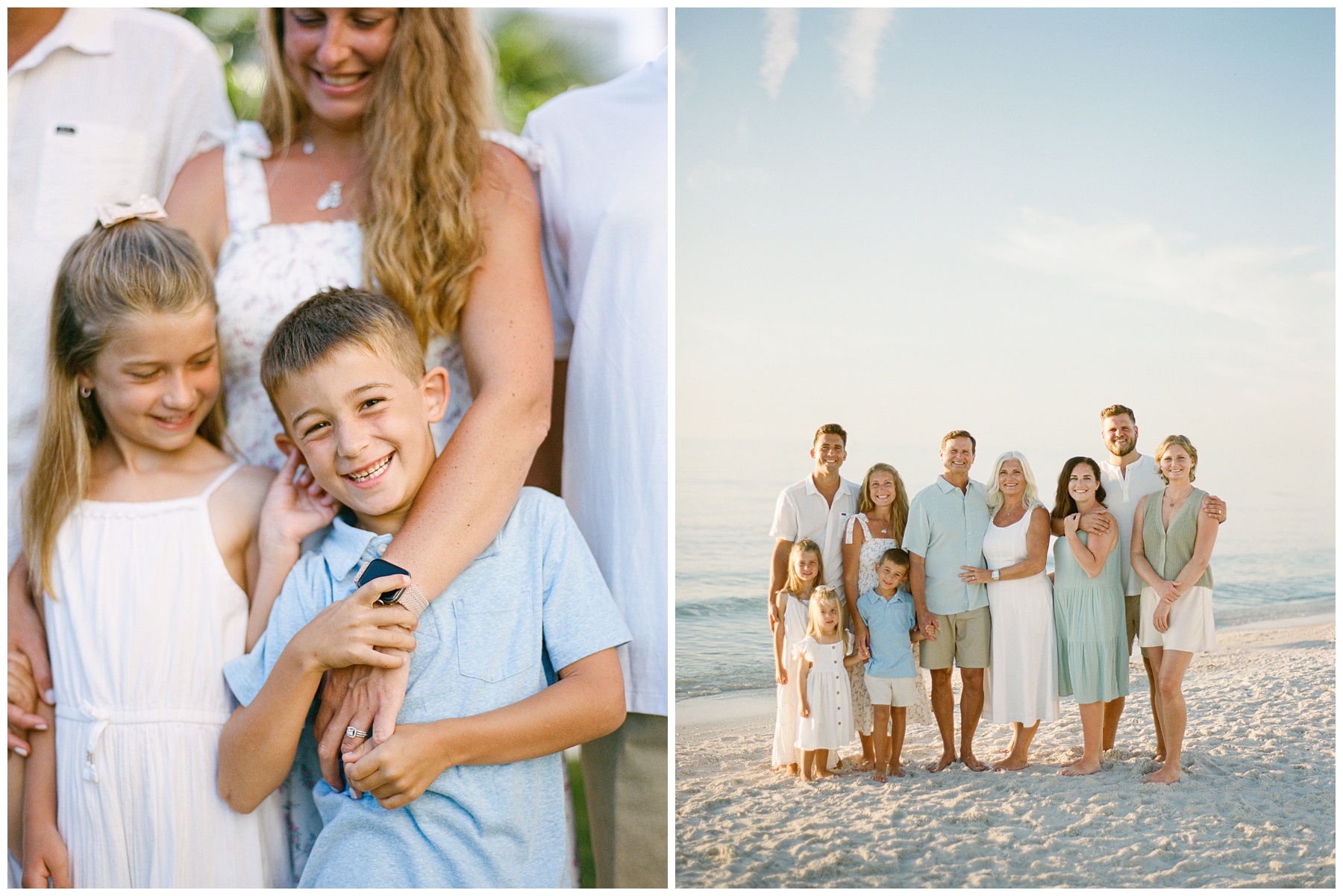
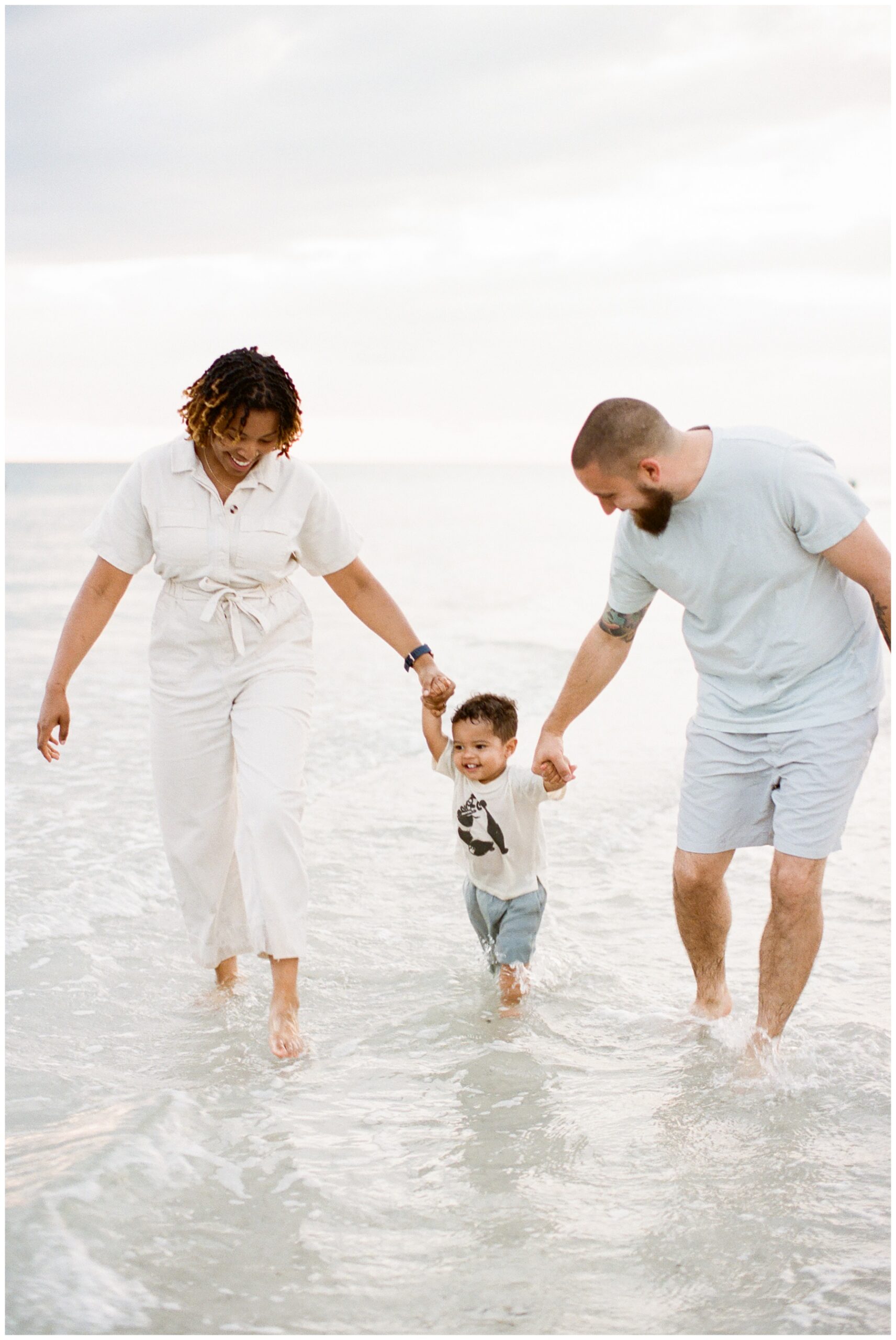
Why Film Feels Different
You’ll often hear people talk about the “feel” of film. It can be difficult to describe until you see it for yourself.
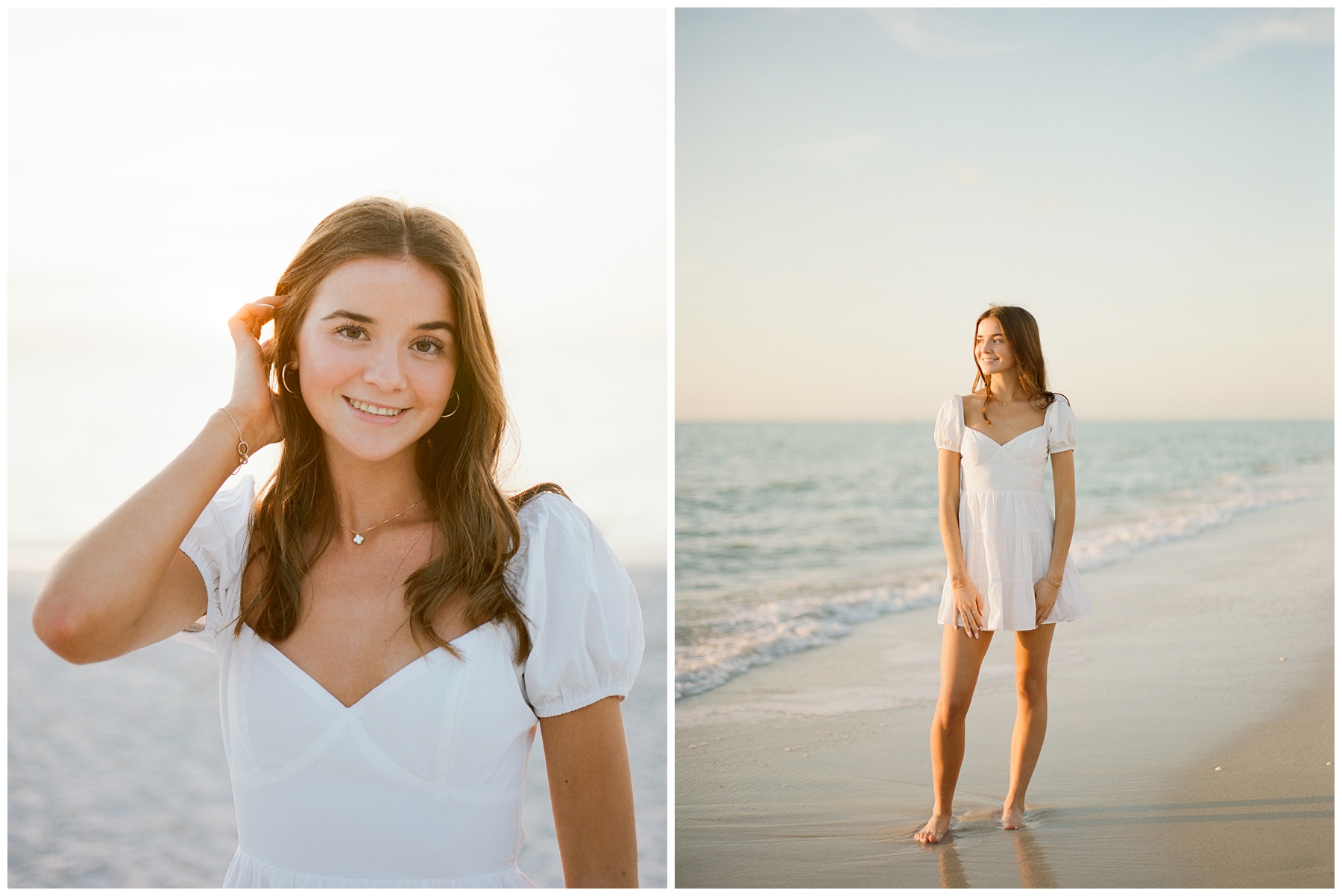
One of the most noticeable differences is texture. Film naturally contains grain, which adds subtle depth and dimension to an image. That texture creates a softness that feels organic rather than overly polished.
Skin tones are another area where film stands apart. The color rendering tends to feel true-to-life and balanced, while still smoothing over minor imperfections in a way that feels flattering but natural. The result isn’t overly edited — it simply looks real.
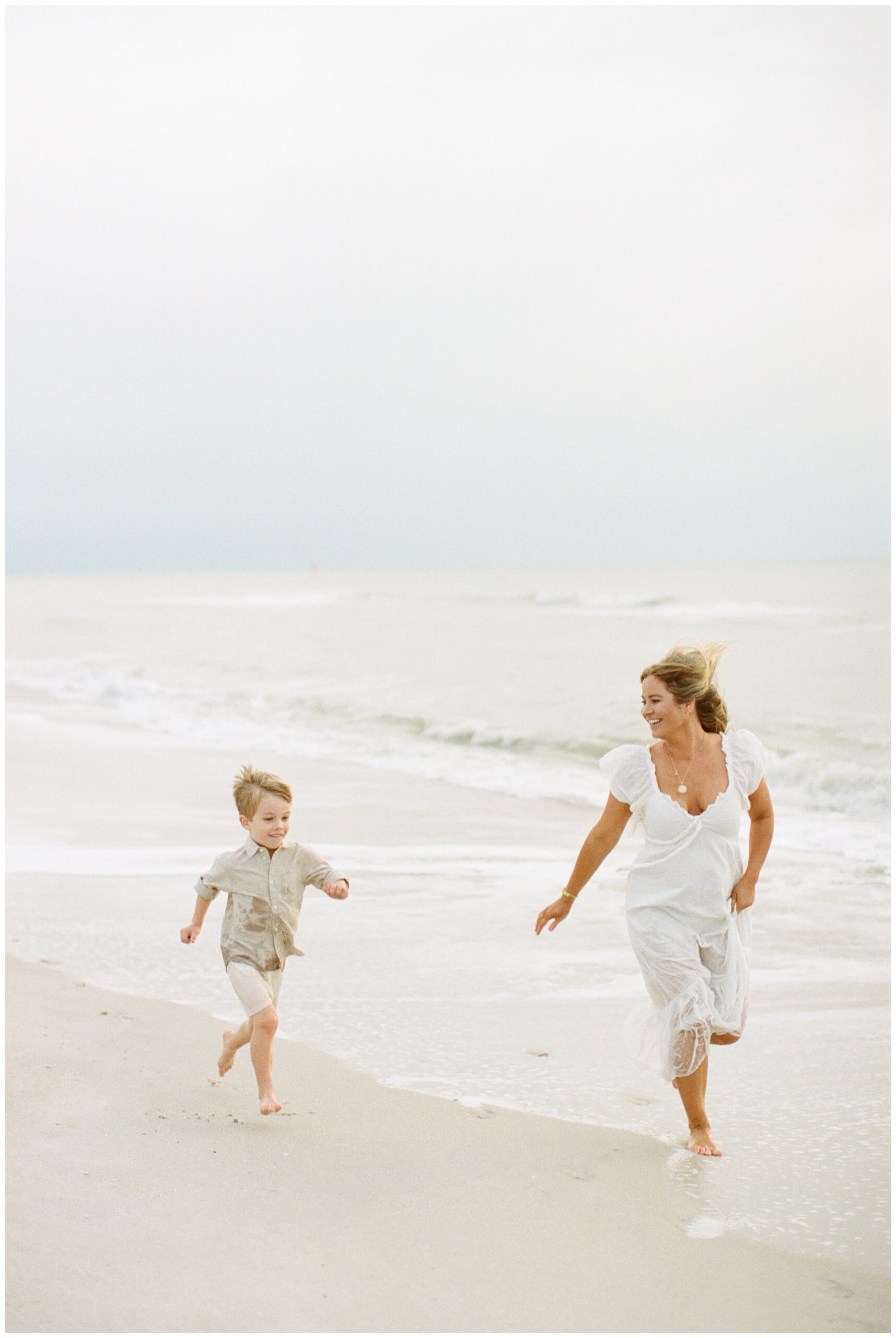
Film also handles light differently. It retains detail in bright highlights in a way that digital often struggles to replicate. This is especially noticeable during sunset sessions or beach photography in Naples, where the Gulf light can be intense. Film allows the glow of golden hour to feel luminous without looking harsh.
And then there’s the sense of timelessness.
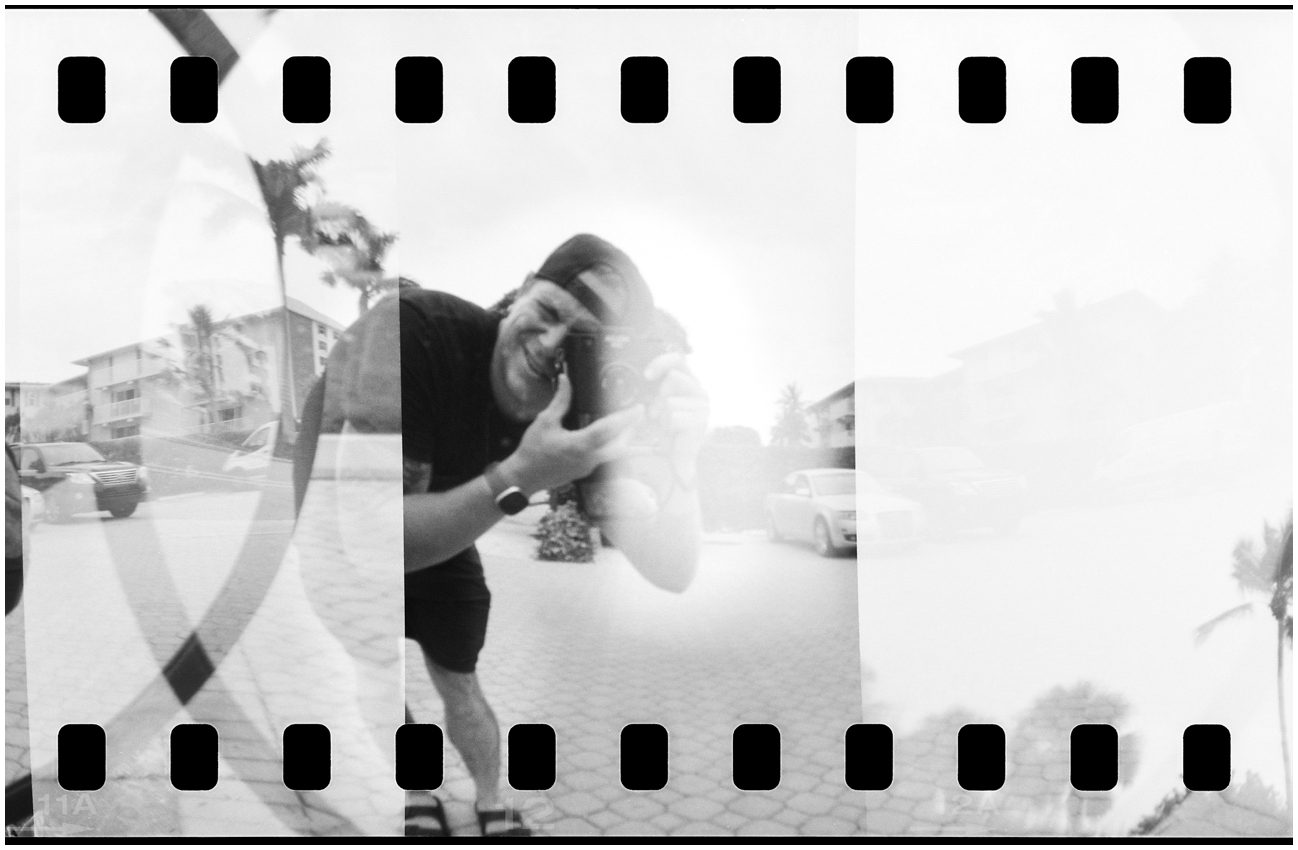
For generations, film was how photographs were made. There’s a quiet familiarity to it. Even modern color film carries a depth and richness that feels enduring rather than trendy. Black and white film, in particular, holds a nostalgic quality that never feels dated.
The feeling of film isn’t dramatic — it’s subtle. But once you recognize it, it’s hard not to see the difference.
How Shooting Film Changes the Experience of a Session
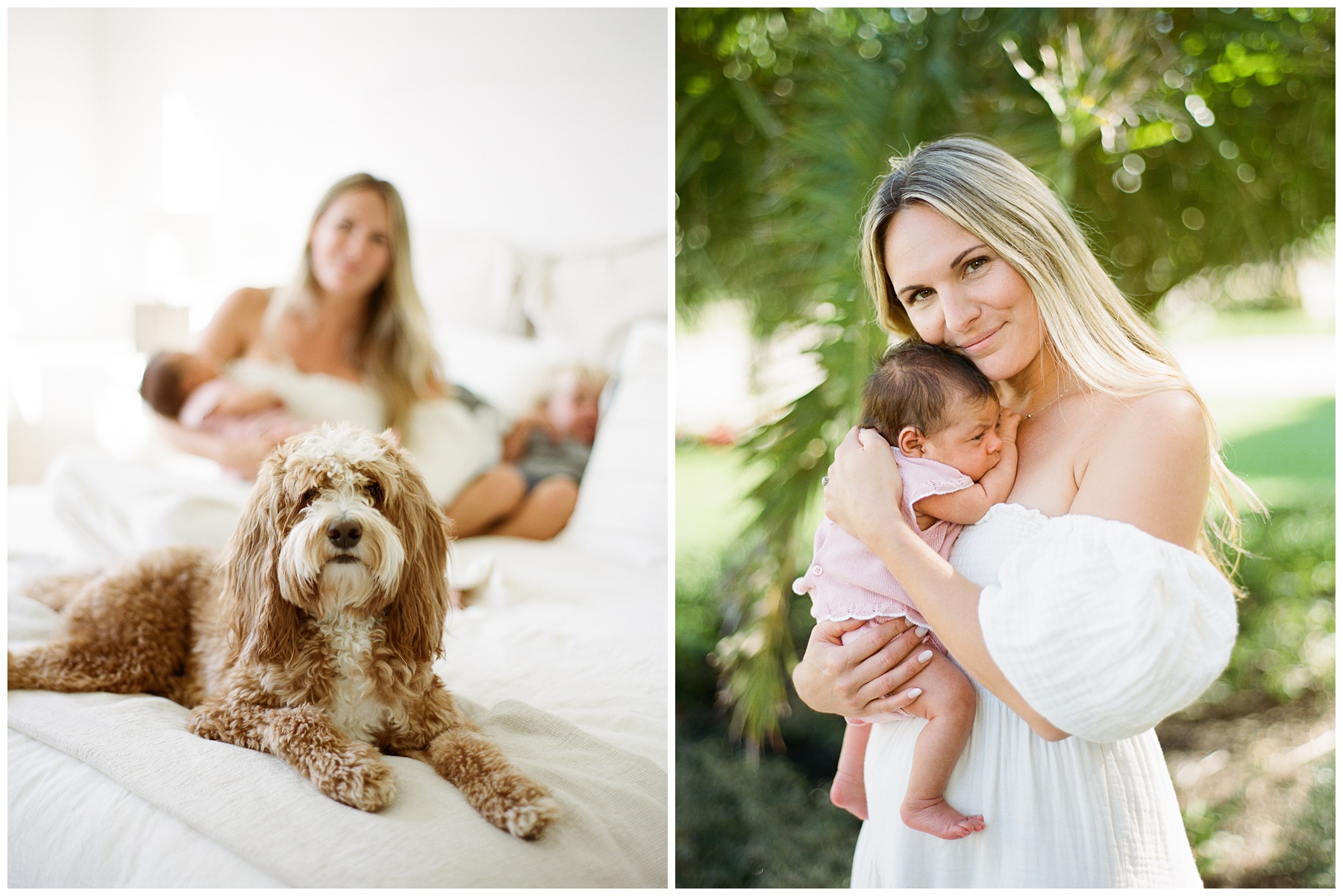
Shooting film during any type of session, whether it’s a family, engagement, maternity, or senior portrait, naturally creates a more intentional experience.
Because each frame on a roll of film is limited, every image is taken with purpose. I don’t overshoot. I don’t rely on rapid bursts of images to “get the shot.” Instead, I slow down, observe, and compose thoughtfully before pressing the shutter.
The result is a session that feels more relaxed and present.
Film encourages a slower pace. Prompts are given with intention, and moments are allowed to unfold rather than rushed. Couples and families often settle into the experience more naturally because there isn’t constant clicking or reviewing of images.
You may receive fewer total frames compared to a fully digital session, but each image is created with care, focus, and direction. The emphasis shifts from quantity to meaning.
That slower rhythm often leads to more genuine interaction and connection, which ultimately is what makes an image feel lasting.


Why I Use Film for Beach Sessions in Naples
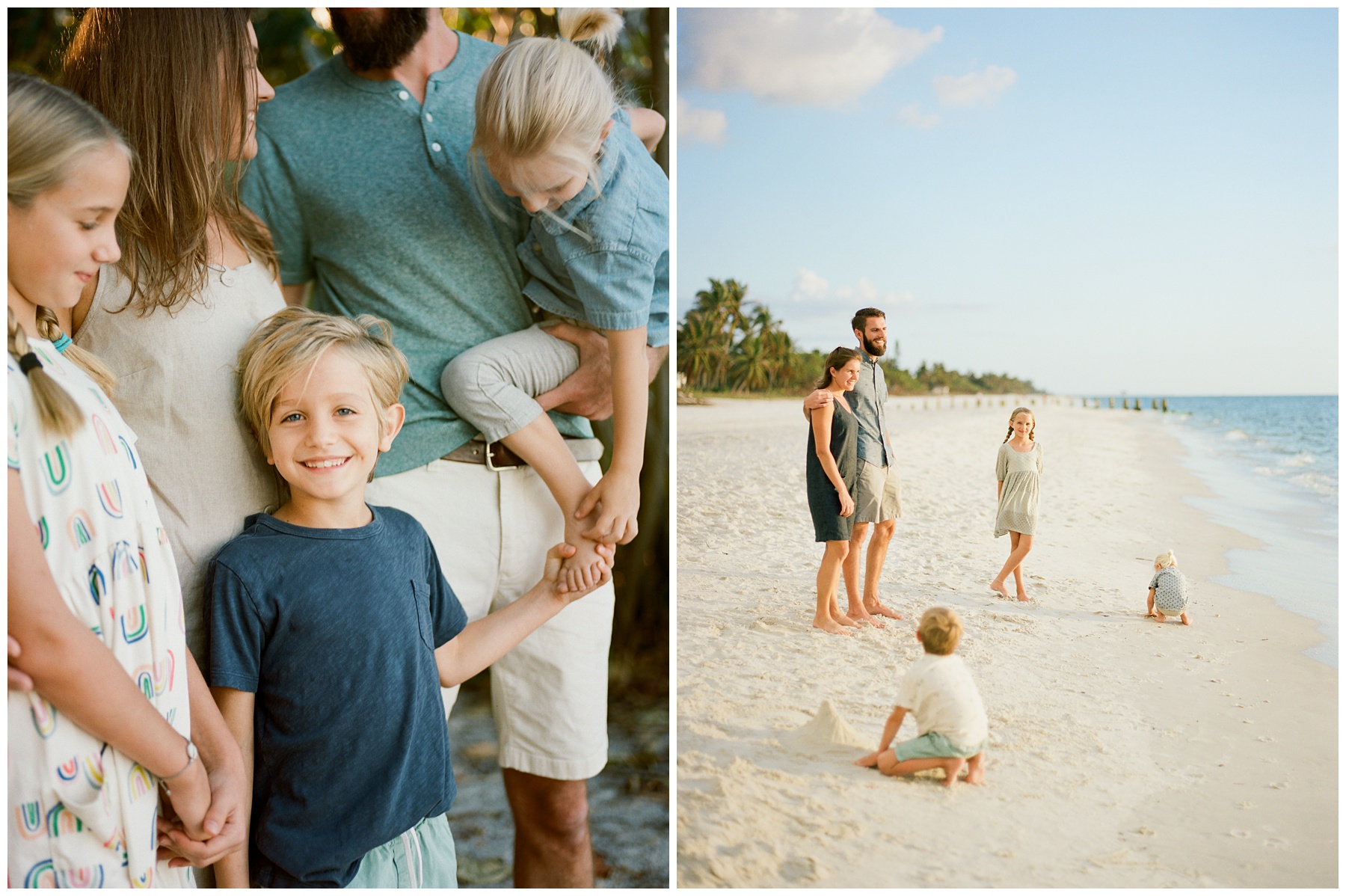
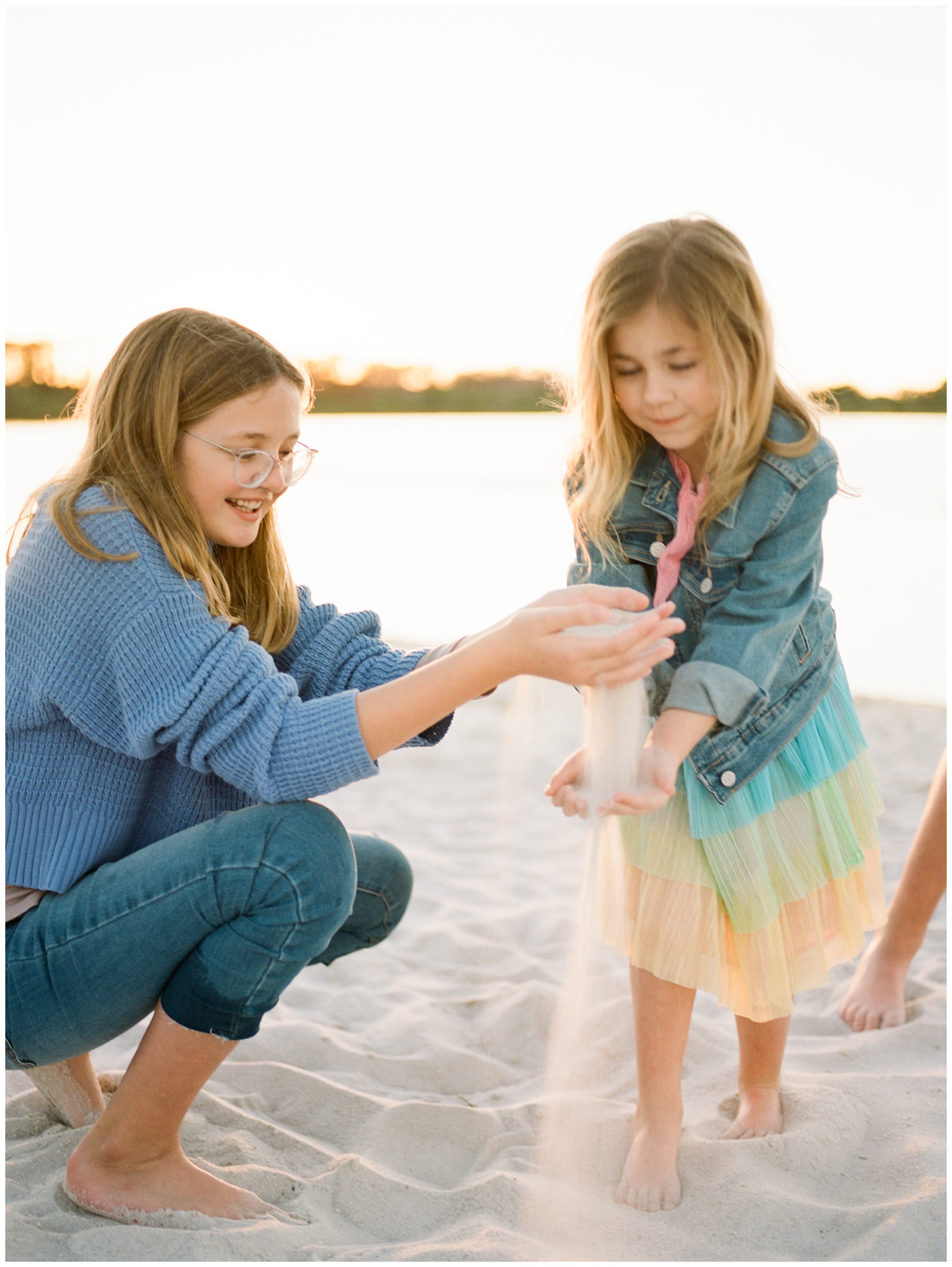
Florida light, especially along the Gulf, pairs beautifully with film.
The soft sand tones, the natural coastal palette, and the warmth of sunset all translate in a way that feels luminous yet understated. Film has a unique ability to hold detail in bright highlights while preserving depth in the shadows, which is especially important during beach sessions in Naples where the light can be intense.
There’s a softness to the way film renders color along the shoreline, skin tones feel natural, the sky feels dimensional, and the glow of sunset looks rich without appearing overly processed. It complements the relaxed elegance of coastal sessions in a way that feels effortless.
Film & Digital: A Thoughtful Balance
While many of the images you see on my blog are photographed on film, I often incorporate digital photography into sessions as well.
Both mediums have strengths.
Digital can be helpful in certain situations, for example, when capturing very fast-moving children or when a client needs extremely high-resolution files for large-scale prints. It also allows flexibility in moments that unfold quickly.
In many sessions, I begin digitally as everyone settles in and becomes comfortable. As the light softens and the interaction becomes more natural, I transition into film. The two mediums complement one another, and blending them allows me to deliver a balanced, intentional collection.
The choice is never random, it’s thoughtful and based on the moment.
Film Is Timeless
Film isn’t about nostalgia.
It’s about creating photographs that feel enduring, images that remain beautiful years from now without feeling tied to a trend. It’s about preserving a moment honestly, with depth and intention.
For me, film simply aligns with the way I want memories to be remembered.